Guides · MLB
How Do MLB Player Props Work? A Bettor's Guide
By Cal Draper — Cal lives in the prop markets: hits, strikeouts, homers, the stuff the books price last and worst. He hunts small edges in matchup splits and park effects and swears the season is won a quarter-unit at a time.
A player prop is a bet on one player's stat line instead of the scoreboard: how many hits, total bases, strikeouts, or home runs one guy produces tonight. The team can lose 9-1 and your ticket does not care. That independence is what makes props fun, and it is also what makes them beatable, because the books price these last and worst.
The structure is almost always an over and under around a posted line. A pitcher might be 6.5 strikeouts, over -115 and under -105. A leadoff hitter might be 1.5 total bases. Half-run style lines with a .5 cannot push: one side wins, the other loses. Whole-number lines can land exactly on the number, in which case most books refund the bet as a push.
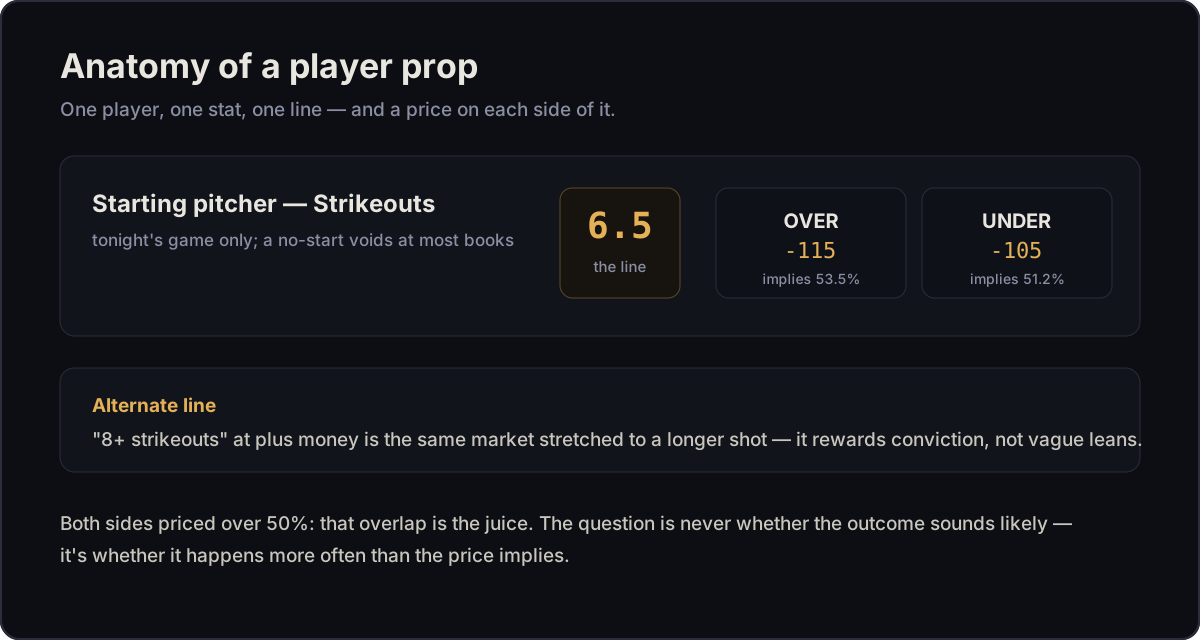
Watch the juice before anything else. A line like over 0.5 hits sounds like free money until you see the price, often -250 or steeper, an implied 71 percent. The question is never whether the outcome sounds likely. It is whether it happens more often than the price implies. That single habit, converting every price to a probability, will save you more money than any stat.
Alternate lines are the other shape you will see everywhere: 2 or more hits, 8 or more strikeouts, phrased as a plus-money yes. These are the same market stretched to a longer shot, and they reward genuine conviction about a matchup rather than a vague lean. Small edges, big season: two well-priced standard overs usually beat one lottery-ticket alt.
Where do edges come from? Matchups and workloads that a busy oddsmaker prices with a formula. A strikeout line reflects the pitcher's strikeout rate, but the opposing lineup's whiff tendency matters just as much, and lineups change daily. Park effects move total-base props. A pitcher on a soft pitch count after an injury has a hard ceiling on strikeouts that a stale line might miss. Props have lower betting limits than game lines precisely because books know these numbers wobble.
Know the void rules before you fire. At most books, if the player does not appear in the game, the bet refunds, but the definitions differ for pitchers versus hitters and book to book. A scratched leadoff hitter an hour before first pitch is a refund. A hitter who plays two innings and sits is usually a live, losing under-the-line ticket. Read your book's rules once so game day holds no surprises.
Last thing, and I mean it: track your props by market. Your hits record and your strikeout record are different skills, and lumping them together hides which one is paying for the other. SharpAI tracks your bets free and splits the record by market, so the ledger does the honest talking. Get the number before it moves, and always know what the number is charging you.