Guides · MLB
What Is a Run Line in Baseball Betting?
By Marisol Vega — Spent a decade grading tickets before she wrote a word about them. Marisol follows the money: line moves, steam, and where the sharp side actually landed. She writes the daily card the way a bettor reads it.
The run line is baseball's version of the point spread, and it is nearly always the same number: 1.5 runs. Back the favorite at -1.5 and they must win by two or more. Take the underdog at +1.5 and they cash by winning outright or losing by exactly one. Same game, different question: not who wins, but by how much.
That 1.5 is heavier than it looks. Historically, roughly three in ten big league games are decided by a single run. Every one of those games loses for the -1.5 side and wins for the +1.5 side, which is why the run line reprices a game so dramatically. A team laying -180 on the moneyline might be +105 at -1.5. Same team, same night: the extra half run of risk flips the price from expensive to plus money.
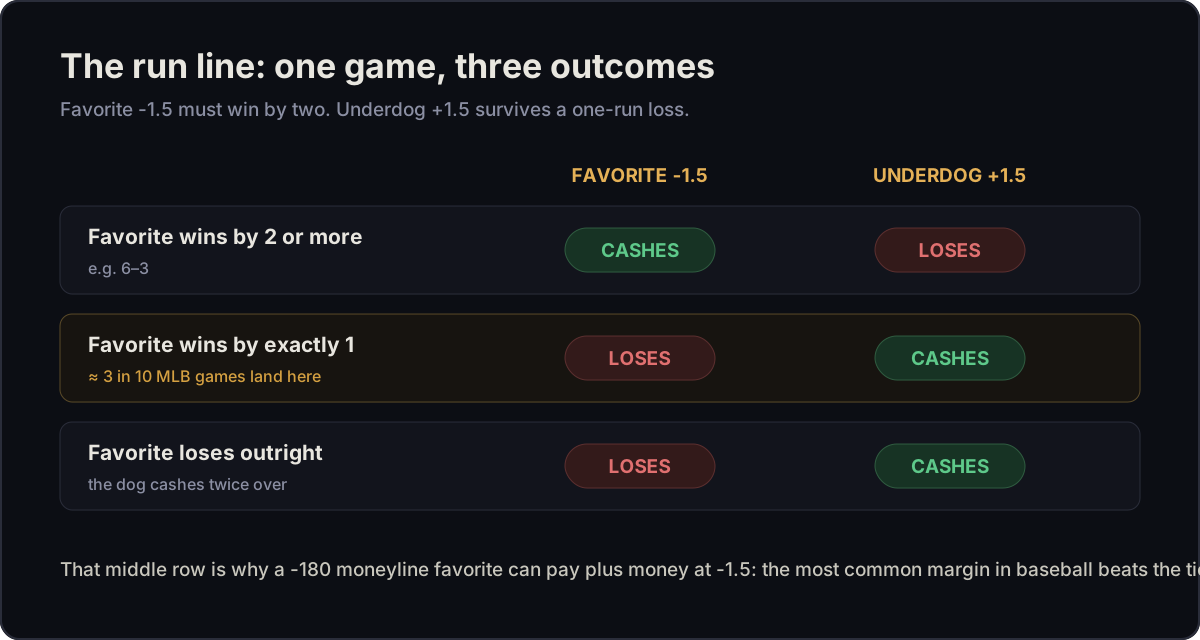
That flip is the whole appeal. When you like a favorite but hate paying -180, the run line lets you swap win probability for price. The trade only makes sense when your read says the favorite wins comfortably when it wins: a strong lineup against a shaky starter, a bullpen edge that shows up late, a park that plays big. When you expect a tight, low-scoring game, laying 1.5 runs is donating the most common margin in baseball.
The +1.5 side is the mirror image. It turns a live underdog into a bet that survives the most likely losing outcome. The catch is the cost: dog run lines are usually heavily juiced, often -150 or worse, so you are paying a premium for that one run of cover. Compare it honestly against the plus-money moneyline. If you think the dog actually wins a third of the time or more, the outright price is often the better hold of the two tickets.
One structural quirk worth knowing before you lay -1.5 with a home favorite: a home team leading after the top of the ninth does not bat again. The game simply ends. That removes late chances to stretch a one-run lead into two, and it is part of why one-run home wins are so common. It is baked into the prices, but it should also be baked into your expectations.
Books also hang alternate run lines at 2.5 runs and first-five-inning lines at 0.5 or 1.5, which isolate the starting pitchers and cut the bullpens out of the equation entirely. Useful tools, same logic: you are always trading probability for price, in one direction or the other.
However you use it, grade yourself honestly. Track your run line bets separately from your moneylines, because they are different skills. SharpAI's free bet tracking splits your record by market for exactly this reason. Follow the money, not the crowd, and let your own numbers tell you which side of the 1.5 you actually read well.